







You have no products in your cart. Please visit our product catalog to add some products to your cart.
Browse ProductsMedia Center
ETI Blog
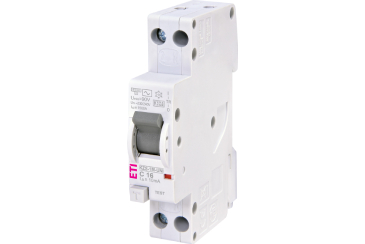
KZS-1M-UNI: Compact Protection for Modern Electrical Installations
KZS-1M-UNI is a versatile solution for modern electrical installations. With the option to connect the electrical supply from either the top or the bottom, it provides greater flexibility and simplifies installation in various setups.
In the 1990s, a new type of protective device began appearing in electrical distribution boards in Slovenia – the so-called combined protective device (KZS), a commercial name introduced to the market by ETI Izlake.
There are two main types of residual current protective devices (RCDs):
-
RCCB (Residual Current Circuit Breaker), which provides protection against residual current, and
-
RCBO (Residual Current Circuit Breaker with Overcurrent protection), which in Slovenia is referred to as KZS (as our house name has been widely adopted).
In this article, we will focus on the RCBO version, i.e. the one that also includes overcurrent protection. Over the last 30 years, KZS devices have evolved significantly: from two-pole and four-pole versions with electromechanical tripping mechanisms to today’s compact electronic models.
ETI Corporate News
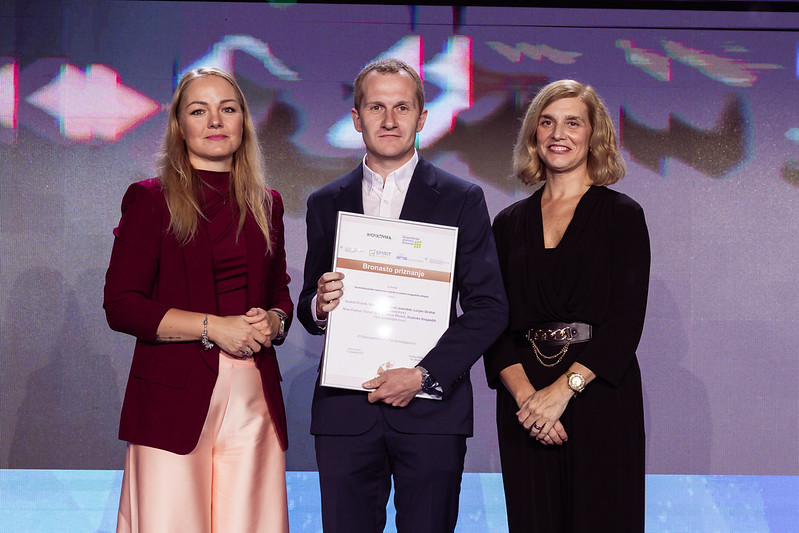
National GZS Innovation Awards Presented at Innovation Day 2025
As part of Innovation Day 2025, held at Brdo pri Kranju, the Chamber of Commerce and Industry of Slovenia presented national awards to the most successful innovators in Slovenia. The event brought together companies, research institutions and individuals whose solutions significantly contribute to technological progress and the competitiveness of the Slovenian economy.
A total of 245 innovations were submitted this year, involving more than 1,300 innovators. Ten gold, 27 silver and 15 bronze awards were presented, along with one special award for a breakthrough invention. Innovators from the Zasavje region were also among the national award recipients, once again confirming the region’s strong innovation potential.
Switch to Sustainable
Product Carbon Footprint (CFP): Measuring the Environmental Impact of Products
The Product Carbon Footprint (CFP) represents the total greenhouse gas emissions associated with a product throughout its life cycle—from raw material extraction to production, use, and end-of-life. This comprehensive measure is expressed in CO₂ equivalents (CO₂e), providing a clear picture of a product’s environmental impact.
ETI Blog
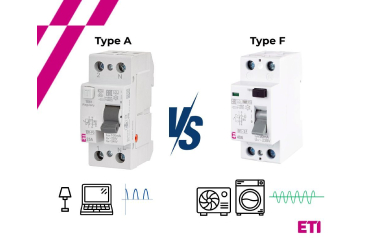
When Should You Use an F-Type RCCB Instead of an A-Type?
In recent years, the question “When should I use a Type F residual current circuit breaker (RCCB) instead of a Type A?” has become increasingly relevant. As electrical installations become more complex, incorporating frequency-controlled drives, modern appliances, and sensitive electronics, the line between appropriate and insufficient protection can be blurred.
This post aims to demystify the decision-making process between Type A and Type F RCCBs by exploring their capabilities, limitations, and ideal application environments. Whether you're designing a residential, commercial, or light-industrial installation, understanding when to step up from Type A to Type F could mean the difference between safe, stable operation and frustrating, or even hazardous, outcomes.
Designing with ETI
Simplify Power Dissipation Calculations with ETI’s Power Dissipation Configuration Tool
We’re excited to introduce our Power Dissipation Configuration Tool, a user-friendly solution designed to optimize your electrical system performance. This tool enables engineers, designers, and installers to calculate power losses with precision, ensuring the safe and efficient operation of electrical installations.
Switch to Sustainable
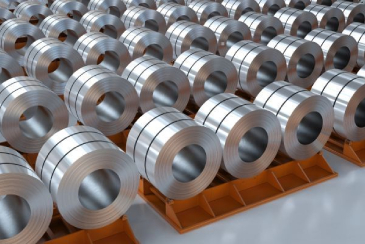
Aluminium: The Lightweight Metal Driving a Heavyweight Transition
Aluminium is all around us – in cans, cars, cables and construction. But behind its low weight lies a high-impact industry. As global efforts accelerate towards net-zero targets, aluminium’s unique properties are making it increasingly essential – and raising critical questions about how sustainably we can meet future demand.
Get the essentials in minutes – just press play.
Switch to Sustainable
Life Cycle Assessment (LCA): A Key to Sustainable Product Development
Life Cycle Assessment, or LCA, is a scientific methodology used to evaluate the environmental impact of a product, process, or service throughout its entire life cycle. By conducting an LCA, businesses gain vital insights into how their operations affect the environment—from greenhouse gas emissions and ozone layer depletion to energy and material consumption.
Get the essentials of Life Cycle Assessment in minutes – just press play.
Switch to Sustainable
Silver’s Dual Role: Essential for Green Tech, Prized for Value
Silver is no longer just a shiny precious metal—it’s a vital component in the global energy transition. Its unique combination of high electrical conductivity, reflectivity, and antibacterial properties makes it indispensable in solar panels, semiconductors, and medical devices. But as demand from clean energy and high-tech sectors surges, supply is struggling to keep pace.
ETI Blog
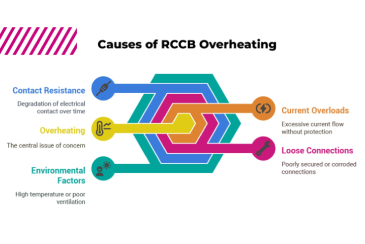
RCCB Overheating: Causes, Consequences, and Prevention Strategies
Residual Current Circuit Breakers (RCCBs) are essential safety devices designed to protect against electrical shock and fire hazards by detecting earth leakage currents. However, these critical safety components are themselves vulnerable to overheating, which can lead to catastrophic failure, fires, and loss of electrical protection. This whitepaper provides a comprehensive analysis of RCCB overheating phenomena, examining the fundamental causes, serious consequences, and effective prevention strategies based on current industry standards and research findings.
Switch to Sustainable
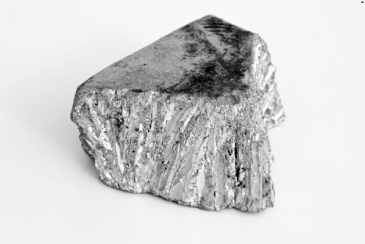
Zinc: The Industrial Shield with Growing Green Relevance
Zinc has been known for millennia, primarily as a component in brass, but isolating it in pure form took time. It wasn't until the 12th or 13th century in India that zinc was produced in significant quantities. In Europe, large-scale production only began centuries later. The industrial revolution propelled zinc into mainstream use, particularly in galvanization — coating iron and steel to prevent rust and extend product life.
ETI Corporate News
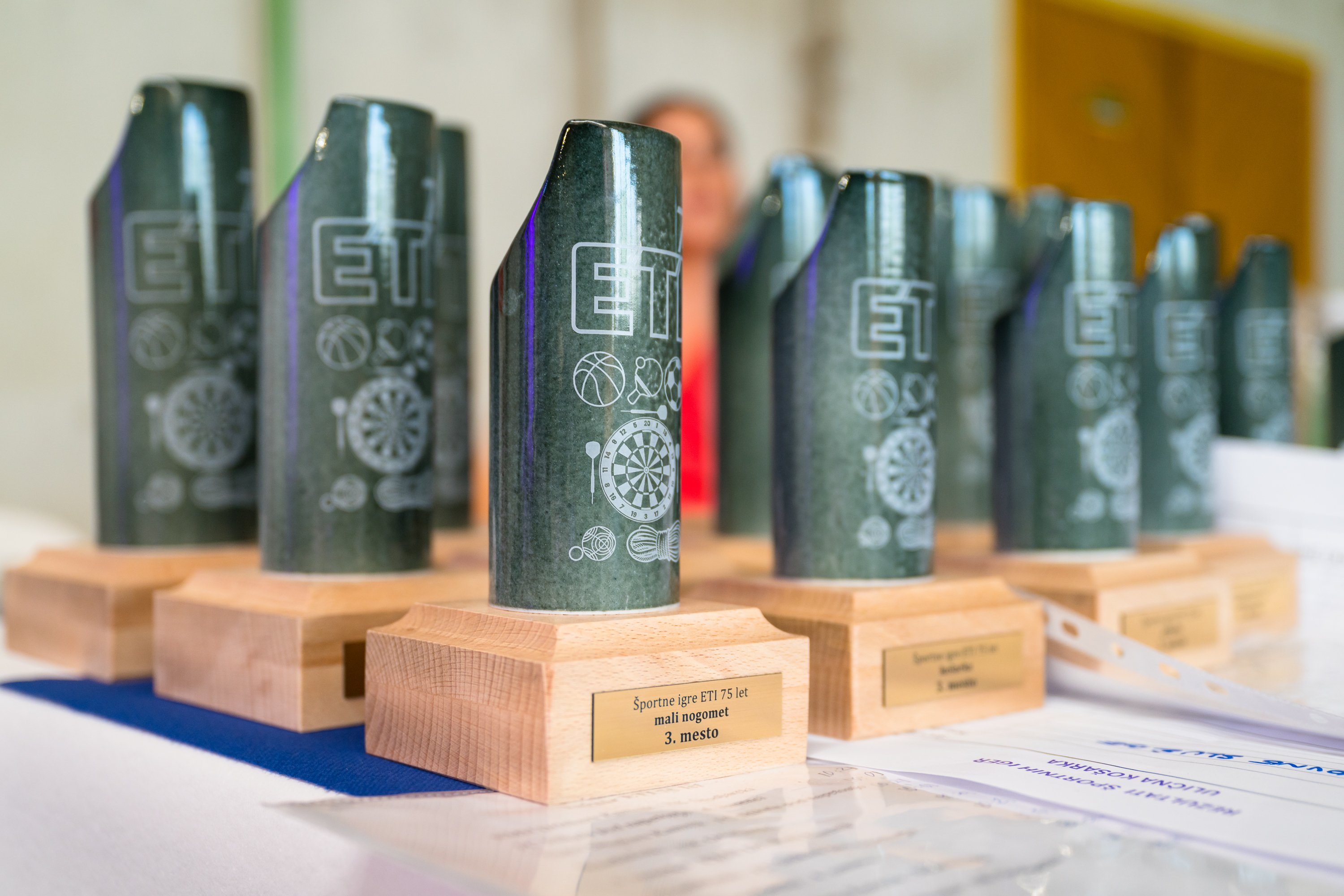
ETI celebrates 75 years with unforgettable sports games
The year 2025 is very special for ETI – we are celebrating our 75th anniversary. On this important anniversary, we organized sports games on Saturday, June 14, 2025, which brought together employees from different parts of the ETI Group in the spirit of sports, networking and celebration.
Switch to Sustainable
Copper - The Backbone of Electrification and Green Transition
Copper has accompanied humanity from its earliest civilizations to today’s digital and energy revolution. First used around 8000 BC for ornaments and coins, copper became essential when early societies learned to extract it from ore. This development led to the creation of bronze around 3000 BC and marked the beginning of the Bronze Age.